
The indie podcaster’s constant question is: how do I get more downloads?
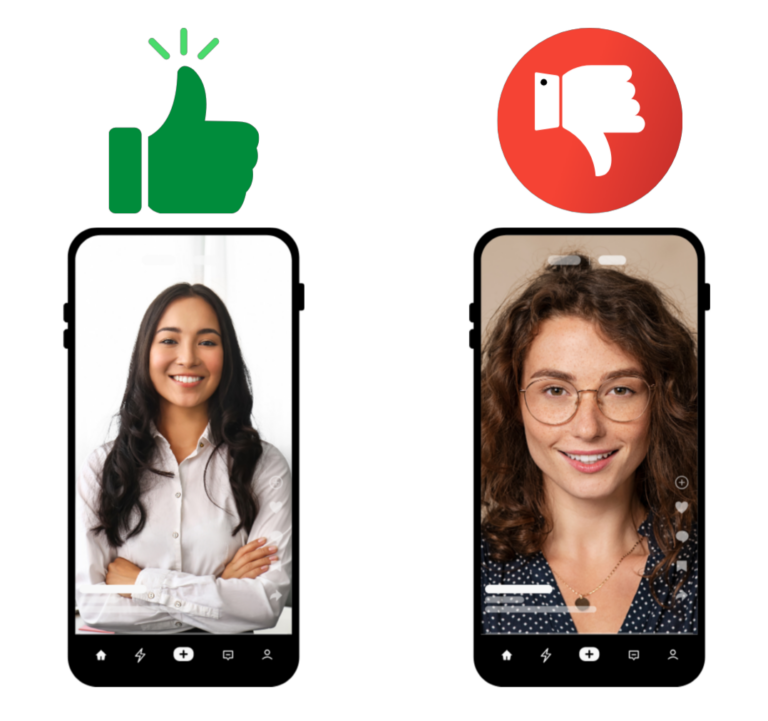
We’ve become convinced that spending an hour to design a perfect Instagram graphic, or finding the perfect snippet of the conversation for a reel, is a winner. When all either gets is a few likes and even fewer clicks to the “link in bio!”
If they’re not clicking on the link, you’re not getting downloads. Because what happened is the casual social media user just scrolled away. That’s what social media is designed to do: keep you on the platform, not sending you to a podcast three clicks away—unless you pay for an ad.
While social media isn’t useless for podcast promotion, it doesn’t convert to listens very strongly. So what works?
Last week, Johnny Flores, a 20-year veteran podcast producer with clients like Visit Sacramento and the Southern Poverty Law Center, joined us for a community AMA and broke down four promotion strategies that actually work. And every single one is free.
Every single one is built on collaboration, not competition.
Watch the AMA replay on YouTube, and then join our newsletter for access to our community Slack, where you’ll find podcasters just like you looking for these same collaborations!
In order from least to most involved, here are four free ways to grow your show without social media:
1. Promo Swaps
Create a 30 to 40 second promo for your show. Think of it as a teaser, not the whole shebang. Say the name of your show at least 3 times (repetition is how it sticks!). Then find podcasts with a similar audience to yours. Ask them to run the promo on their feed and you run theirs on yours.
A cool tool to use for finding shows (aside from just asking in the Slack): Rephonic’s Podcast Audience Graph. Or in a podcast player, see what other podcasts are suggested if you search for yours.
Pro tips for a successful promo swap:
- Aim for a run of 10 to 12 episodes, not just two or three. Again, repetition is what makes this work.
- Ask for midroll placement. If a show offers to put your promo at the end of their episode, pass. Midroll is where listeners are still paying attention.
- If not midroll, ask for pre-roll. It might get skipped over, it might not.
2. Guest Exchanges
Invite a host from a complementary show onto your podcast, then go be a guest on theirs. You each get introduced to the other’s audience through a voice they already trust.
Here’s why this works when social media doesn’t:
When someone follows you on Instagram, that’s great! But you’re competing for their attention with hundreds of other accounts designed to keep them on the feed longer. We know social media does NOT show your followers all your posts.
But when a podcast host brings you onto their show, they’re essentially saying to their listeners: I vetted this person, and you should hear what they have to say. That implicit endorsement carries more weight than any tagged post.
There’s the time time factor, too. A guest appearance gives a new audience 20 to 60 minutes with you. By the time the episode ends, they’ve heard how you think, what you care about, and what your show is about.
Now instead of spending 3 seconds on a post that may or may not capture their attention, you’ve sparked a relationship. You just took them on a great first date, and now they know where to find you for the next one!
What’s a “complementary show”? Not necessarily shows that cover the exact same topics as yours. What you’re looking for instead is shows whose audiences would benefit from what you talk about. Overlap in values and listener profile, not necessarily topic. (Though shows in the same genre make sense, too.)
For example, as a childfree Latina show host, I’ve been on shows about:
- dating as a childfree person
- setting boundaries
- creating LIP
And, of course, other childfree shows, too.
This one takes a little more coordination, but the payoff is higher, too. And don’t forget to share these episodes with YOUR audience when it is published. Yes, that can mean social media too (ask to be tagged as a collaborator, then you just accept the collab!).
But don’t forget the rest of your promotional ecosystem: your website, your newsletter, etc.
3. Two-part Collabs
This builds on the guesting strategy: invite the host but continue the conversation. The goal is to create a 2-part episode that starts on one show and ends on the other.
Partner with another show that’s, again, similar to yours. Part one lives on their feed, part two lives on yours. Each episode opens with a clear prompt to the audience: “Make sure you catch part two over on [show name]” or “Part one is waiting for you over on [show name], go listen before you dive in here.”
What makes this different from a simple guest exchange is the addition of a part two. The conversation intentionally has two parts. A guest exchange is a conversation that lives in one place. A two-parter is a single piece of content that requires the listener to travel. That’s the whole point!
Why this works:
When someone finishes part one on another show and follows the prompt to find part two on yours, they’re making a small commitment. And now they’re more likely to listen to your show—and stay till the end—because it features someone they already know and like.
By the time they hit play on your feed, they’re no longer a cold audience. This new listener intended to land there. That’s a very different listener than someone who stumbled onto your show through a search result.
It also gives both hosts a reason to actively promote the collaboration. You’re not just cross-mentioning each other as a favor, you have a group project that needs both halves. You can’t deliver it alone. Both hosts have a genuine stake in getting their audience to engage with both parts.
This tactic requires coordination and trust, but it’s also a higher payoff. Your audience is being treated to a new show without having to search for it, and vice versa.
4. Episode Swaps
This works great anytime, but especially if you want to have an extended hiatus or are in-between seasons.
By now you should have identified shows that are like yours that you think your listeners like. Reach out to those podcasts and ask to host one of their top episodes on your feed while you’re on break. Or even an episode they think will resonate with your audience.
Prep your audience though! If the break is planned, let them know what’s coming in the weeks leading up to the hiatus. Even if it’s last minute, give them a little warning so they’re not surprised. It’s as easy as recording a short intro to each episode, explaining the situation and why you’re sharing that particular show.
Why this works:
Instead of letting your feed go dark, and potentially having listeners unsubscribe, episode swaps keep your show at the top of the feed. And your audience will stay for the same reason they listen to your guests: you’ve vetted these shows for them.
Your audience keeps getting content delivered to the feed they already follow. And you’re literally introducing them to a new show, saying: here’s someone I think you’ll love.
It’s a 2-sided benefit too. The show whose episode you’re hosting is getting exposure to an audience that maybe didn’t even know they existed, with a warm recommendation to boot. All for simply sending you their audio file.
And when those shows go on vacay, ask that they reach out to you, too. When they do, have a few episodes ready to share, or just send your most popular ones.
Measure Twice
Whichever one of these you choose to start with, make sure you’re taking stock. Don’t just look at downloads. Examine your listen-through rates, newsletter subscriber count, and even website traffic. Establish a baseline before any collabs start. Then you’ll be able to see if anything moved after a promo swap ran. Of if a guest exchange episode brought in new followers.
Be mindful that these metrics won’t jump overnight. Collaboration-based growth tends to be slower than viral moments, but stickier, too. You’re building an audience that actually stays, which means giving it a few weeks before you draw conclusions.
Stats based on your known history, then 7-30-90 days after each collab will start to illustrate a fuller story than one week’s downloads.
If something isn’t moving after a full promo run or a collab cycle, that’s good info to have, too. Maybe the audience didn’t overlap as much as you assumed, or the timing was off. Try again at a later date or even with another show.
Your Next Move
To recap, notice what all four of these tactics have in common: they work because someone else’s audience becomes aware of you through a voice they already trust. A warm intro is worth more than any social post, and definitely more than a paid ad.
They also all require you to do something that can feel uncomfortable at first: making an ask. That’s your next move!
Reach out to a show you admire, pitch the collab, send the email. The worst anyone can say is no, and most people in this industry are more generous than you’d expect.
Better yet, start inside your own community, Latinas In Podcasting. The easiest collaborations happen with people you already know and trust. Find us in the Slack, come to our events, and get to know the other members you can swap and guest with.
And if you want to practice the ask in the lowest-stakes room possible, we have a Pitch Fiesta coming up this month. One pitch to a room full of LIP members. You could walk away with multiple collabs in a single night!
So hop off the never-ending hamster wheel of social promo, and connect with other podcasters to actually drive downloads. Connect and collaborate.
That’s what Latinas In Podcasting is all about!

Author: Paulette Erato
Cultural narrative disruptor and Latina visibility advocate, Paulette Erato is the founder of Latinas In Podcasting and creator/host/producer of the childfree Latina podcast, La Vida Más Chévere. Book her to speak at your next event from her website https://pauletteerato.com/